 Ubud · Gianyar · Bali
Bali Garden Statues for Global Importers
Discover handcrafted stone sculptures from Bali's finest artisans, available for wholesale export. MOQ and FOB terms available for seamless international trade.
What are you sourcing?
Let us know your requirements and we'll guide you to the right products and next steps.
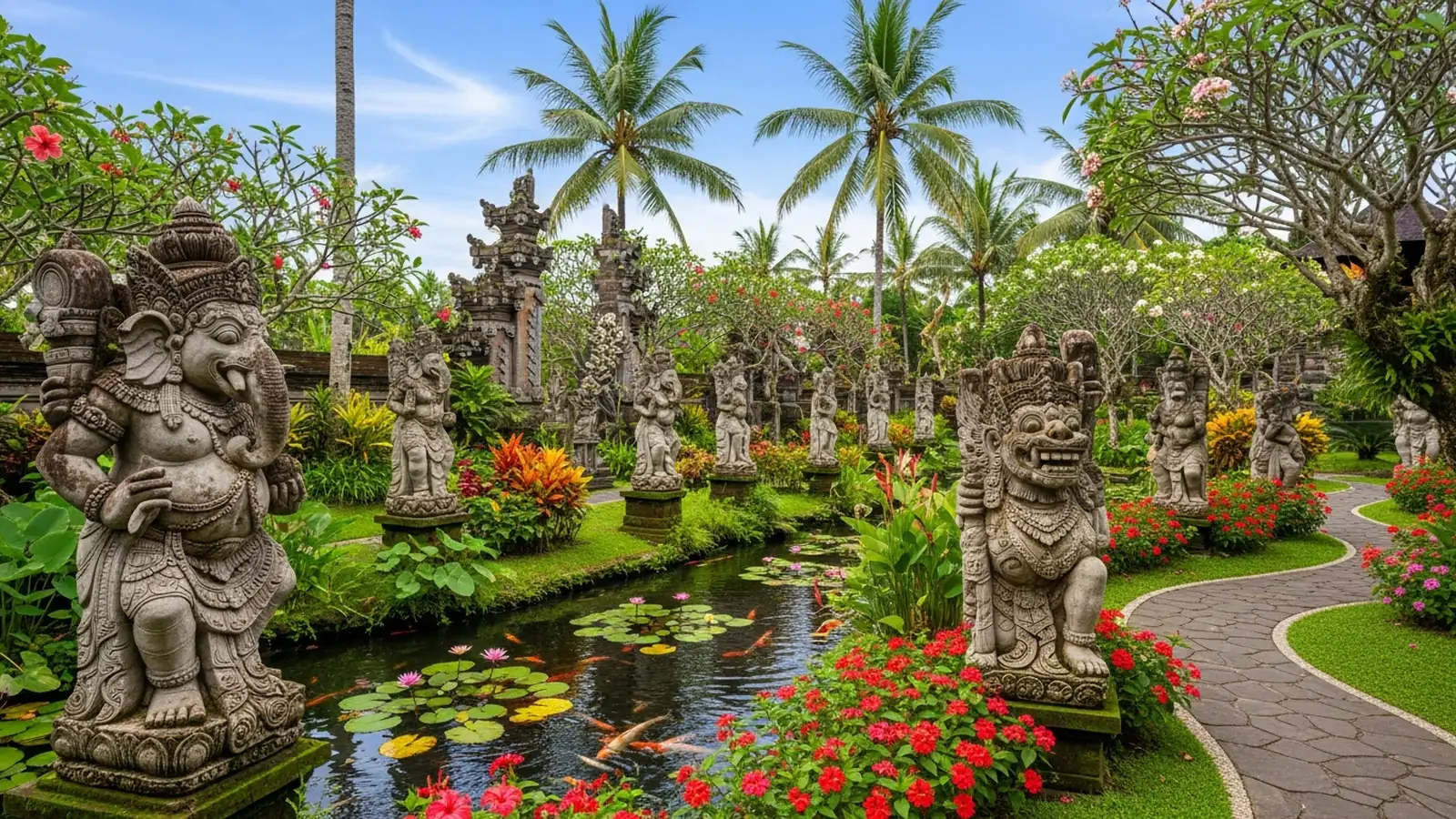
As a discerning buyer, you’re seeking authentic, high-quality garden statues that reflect the rich cultural heritage of Bali. The island’s skilled artisans, primarily located in villages such as Teges, Mas, and Batubulan, offer a diverse range of statues carved from durable materials like lava stone and sandstone. Whether sourcing for a garden centre or a landscape project, understanding the nuances of Bali’s statue market is crucial. From pricing to shipping logistics, this guide provides the detailed insights you need to make informed purchasing decisions.
Understanding the Production Regions
Bali’s garden statues are predominantly crafted in the regions surrounding Ubud, including Teges, Mas, and Batubulan, as well as Gianyar and Tabanan. These areas are renowned for their skilled artisans who specialize in stone and concrete carvings. Batubulan, in particular, is a hub for stone carving, especially for Hindu and Buddhist motifs. Workshops near Denpasar and Sukawati also contribute to this thriving industry. The choice of production location can influence both the cost and the style of the statues. Buyers should consider visiting these areas to gain a deeper understanding of the craftsmanship involved and to establish direct relationships with suppliers. For a comprehensive introduction to the artisans and their work, visit our About Us page.
Material Choices and Their Implications
The choice of material is crucial when selecting Bali garden statues. Common options include lava stone, sandstone, cement/concrete, river stone, and suar or teak wood. Lava stone, known for its density and resistance to weather elements, is particularly suited for outdoor use. In contrast, sandstone offers a softer appearance but may require more maintenance in humid climates. Prices for medium-sized lava stone statues range from IDR 800,000 to 2,000,000 (USD 55-135), while similar sizes in sandstone are priced similarly. When sourcing, consider the aesthetic and practical implications of each material. Detailed specifications and recommendations are available in our Guides section.
Popular Designs and Customization Options
Bali garden statues often feature Hindu deities such as Ganesha, Shiva, and Vishnu, as well as Buddha figures, guardian lions, and demons (rakshasa). These designs are not only culturally significant but also popular among international buyers seeking unique garden art. Many workshops offer custom designs based on photos or architectural plans, with lead times typically ranging from 2 to 6 weeks. Customization allows buyers to tailor the statues to specific themes or spaces, enhancing the appeal of their offerings. For further inspiration, explore our Bali Buddha Garden Statue page.
Pricing and Wholesale Opportunities
While small hand-carved stone statues retail locally for IDR 250,000 to 600,000 (USD 17-40), export-focused workshops offer wholesale prices 20-40% lower for bulk orders. This pricing strategy makes Bali an attractive source for international buyers. Large garden statues, measuring 100-150 cm, range from IDR 3,000,000 to 8,000,000 (USD 200-550) in retail shops, with custom work potentially higher. Buyers should confirm prices directly with suppliers, considering factors such as material, size, and order volume. Understanding these pricing dynamics is crucial for negotiating favorable terms and maximizing profit margins.
Logistics and Shipping Considerations
Exporting garden statues from Bali involves careful planning of logistics and shipping. The most common methods are LCL (less-than-container-load) and FCL (full container load) sea freight. A 20-foot container can carry 10-15 m³ of packed statues, depending on density and weight. Typical sea transit times to Western Europe or the US West Coast range from 4 to 7 weeks. Air freight is an option for smaller quantities but becomes costly for statues over 30-40 kg. Buyers should account for shipping costs and transit times in their purchasing decisions. For more detailed logistics advice, consult our Guides.
Legal and Regulatory Compliance
Exporters in Bali must have a valid business license (NIB) and register with customs via the Indonesia National Single Window (INSW). Most modern garden statues do not require special permits, but antique or sacred items may fall under cultural heritage laws. Ensuring compliance with these regulations is essential to avoid legal complications. Buyers should also be aware of import duties and VAT applicable in their countries, which can affect the overall cost. For US buyers, customs duty is typically a low single-digit percentage, while EU buyers pay customs duties plus VAT. Understanding these requirements is vital for smooth transactions.
Seasonal and Cultural Factors Affecting Production
Bali’s wet season (November-March) can disrupt production and logistics due to heavy rains. The dry season (April-October) is more reliable for outdoor finishing and trucking. Additionally, major Balinese religious holidays like Galungan, Kuningan, and Nyepi can affect workshop operations, potentially delaying schedules. Buyers should plan orders accordingly, taking these seasonal and cultural factors into account. Understanding the local context helps in managing timelines and expectations effectively.
Building Relationships with Artisans
Establishing strong relationships with Balinese artisans can be a significant advantage for buyers. These connections not only facilitate smoother transactions but also allow for better customization and quality assurance. Many artisans in Bali are open to collaborating closely with buyers to achieve specific design goals. Visiting workshops in person can provide a deeper insight into the process and foster trust. Regular communication and clear agreements on expectations can lead to long-term partnerships that benefit both parties. For tips on building these relationships, visit our About Us page.
Sustainability and Ethical Sourcing
In recent years, there has been a growing emphasis on sustainability and ethical sourcing in the global market. Buyers should inquire about the sourcing of materials and the working conditions in workshops. Many artisans in Bali are adopting environmentally friendly practices, such as using sustainably sourced wood and minimizing waste. Supporting artisans who adhere to ethical practices not only benefits the environment but also promotes fair labor practices. Buyers interested in sustainability can request certifications or visit workshops to verify these practices. For more information on ethical sourcing, explore our Guides section.
For detailed enquiries and to discuss your specific needs, please contact us. Our team of specialists is ready to assist you in navigating the intricacies of sourcing high-quality Bali garden statues.